Building Multiplayer Live Service Games in 2026: Insights from Photon and Metaplay
The gaming industry is now a $190 billion market, and multiplayer live service games make up a huge part of it. But while the opportunity has grown, so has the complexity. Players expect smooth, responsive gameplay and a steady stream of content from day one. To help teams navigate that challenge, we’ve released a new 36-page whitepaper: “How to Build a Multiplayer Live Service Game in 2026,” written together with our partners at Metaplay.
The goal is simple: explain how modern multiplayer games are actually built today, and how studios can avoid some of the common architectural pitfalls along the way.

The Core and the Meta: Why You Need Both
After decades of working with studios building real-time multiplayer games, now supporting more than 1.5 billion monthly active players, we’ve seen the same issue come up again and again: developers try to make one system handle everything.
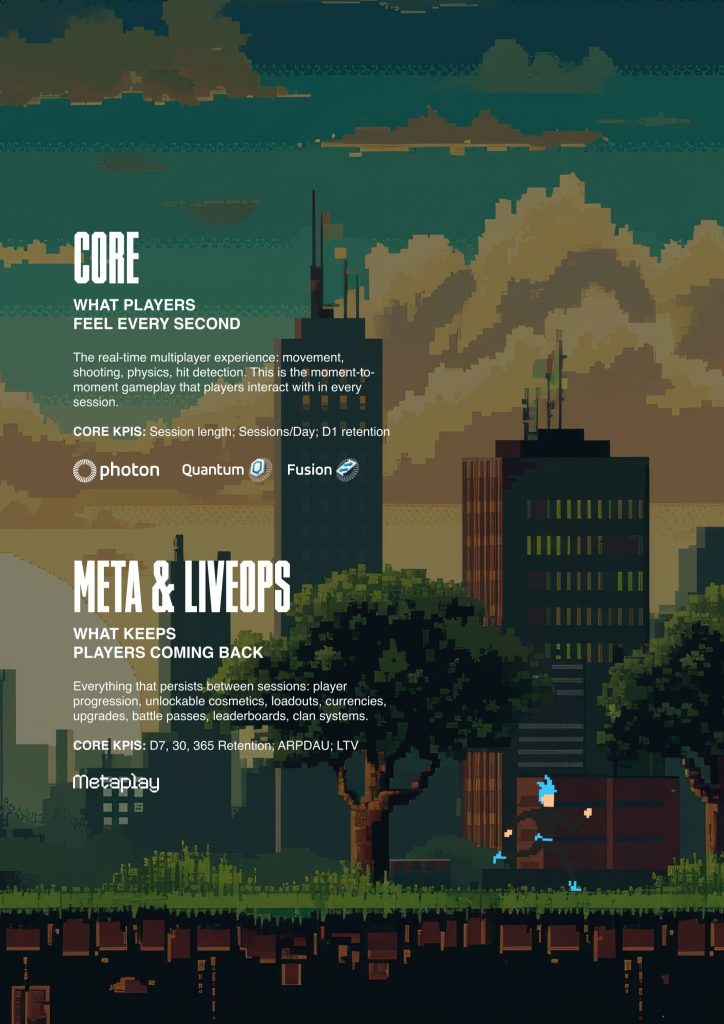
In reality, a multiplayer live service game usually has two very different layers:
- The Core
This is the real-time gameplay itself. Inputs, physics, and game state need to synchronize between players dozens of times per second. Photon focuses on this layer, handling fast, reliable real-time communication so gameplay stays responsive.
- The Meta
Everything outside the match: player progression, matchmaking, economies, LiveOps systems, and persistent player data. This is where Metaplay comes in.
What’s Inside the Whitepaper
Across nine chapters, the whitepaper walks through the architecture and design decisions behind modern multiplayer games. A few highlights include:
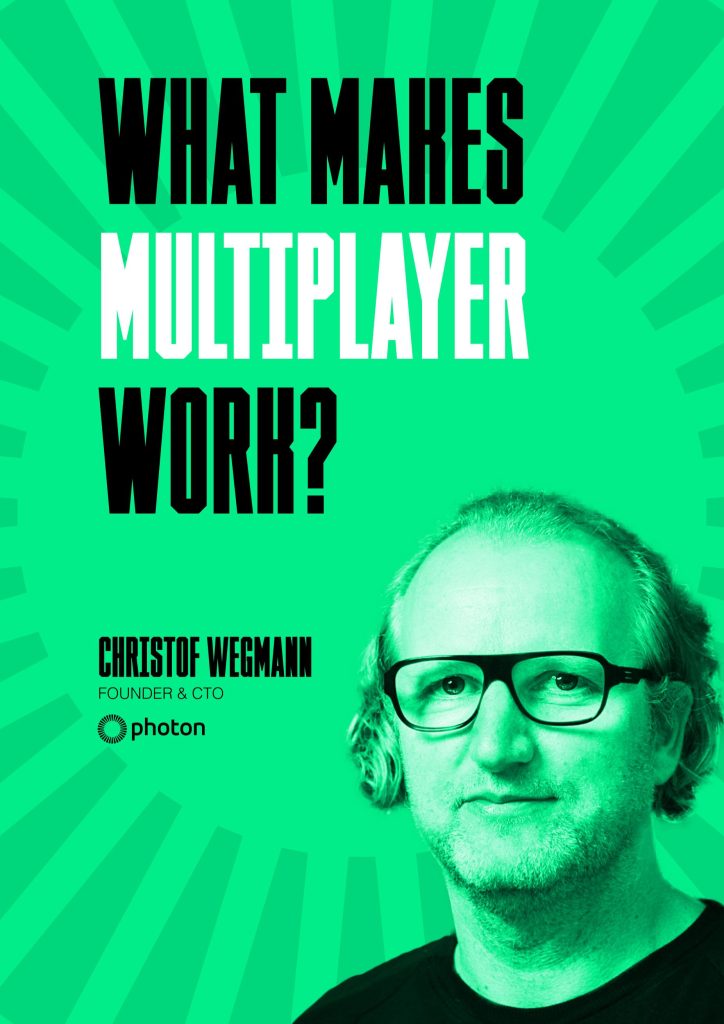
- What makes Multiplayer work?
Photon Founder & CTO Christof Wegmann explains why choosing the right networking model early is critical. The whitepaper introduces the “Photon Quadrant,” a framework that helps studios evaluate approaches like state-synchronized (Fusion) or deterministic simulation (Quantum) based on their game type and platform.
- Lessons from 15 years in Live Service game dev
Metaplay CPO Teemu Haila explores why the meta-game matters sooner than many teams expect. Retention often drops between play sessions, and without progression systems or meaningful long-term goals, players simply don’t come back.

- Real Developer Case Studies
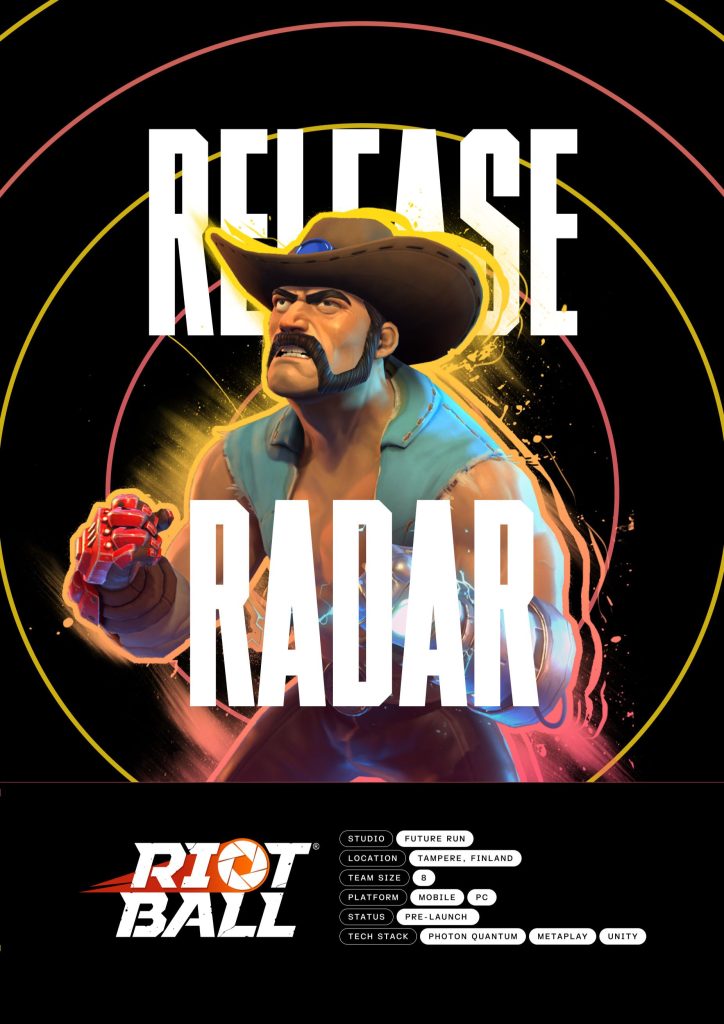
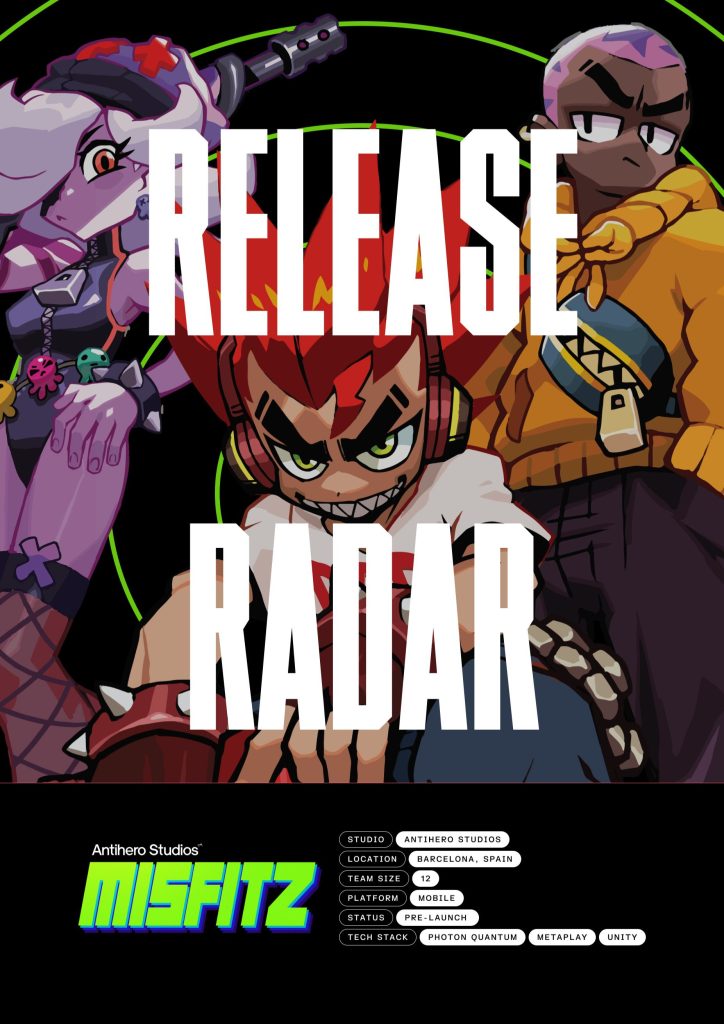
The whitepaper also looks at how studios are applying these ideas in practice. Future Run is building the 60 FPS sports title Riot Ball with a team of eight developers, while Antihero Studios is developing the 20-player action game Misfitz. Both teams share how they connect Photon and Metaplay in their production pipelines.
Whether you’re a technical director planning infrastructure, a studio lead evaluating the multiplayer market, or a developer preparing to ship your first large-scale online game, the guide covers lessons that many teams only learn after launch.
Stop fighting infrastructure and get back to building the game.
Download the full 36-page whitepaper here.